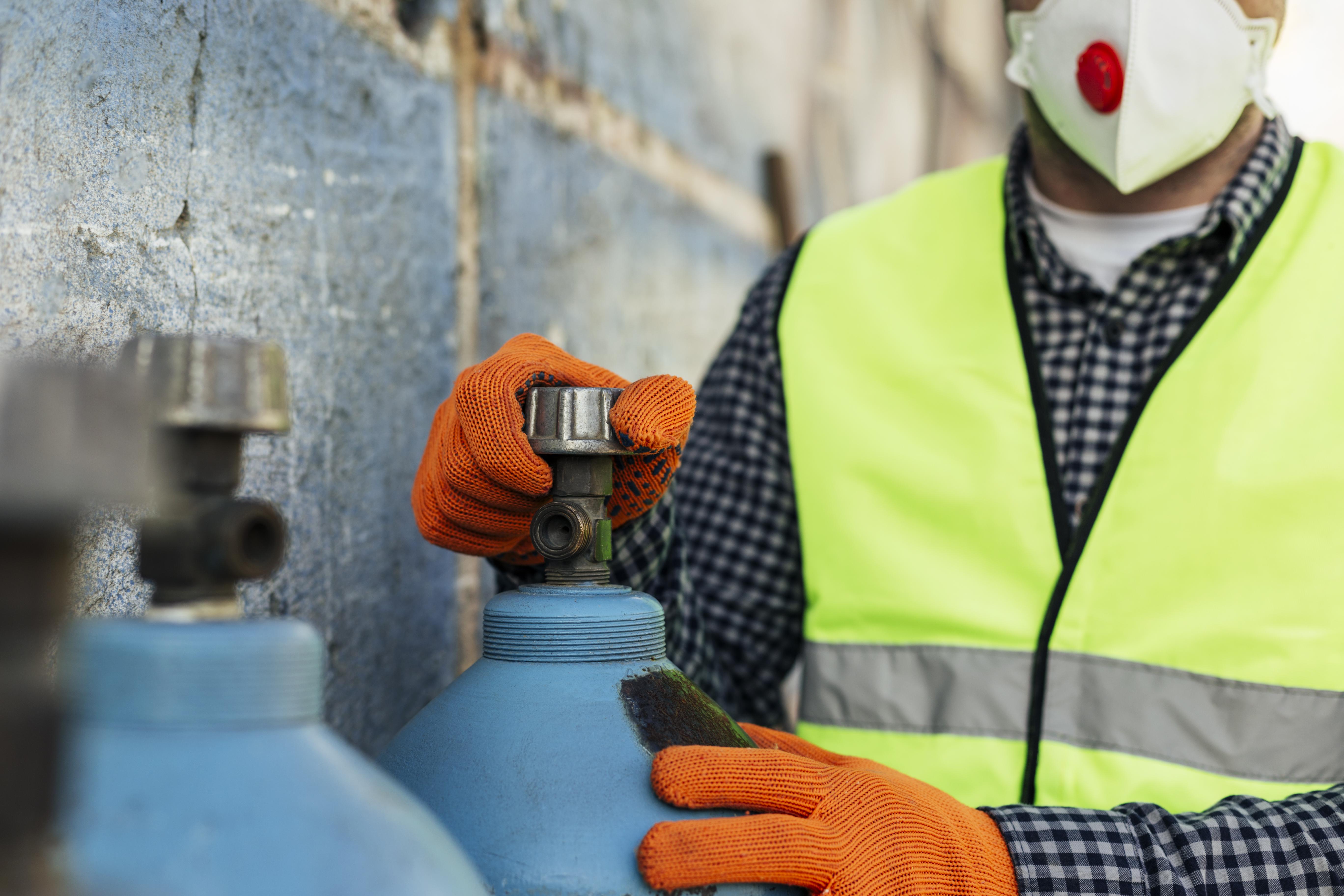
Gas Testing
in Quality, Health, Safety, Security and Environment (QHSSE)About this course
INTRODUCTION
In hydrocarbon facilities it is required to undertake gas testing in all locations where
injury to personnel or damage to property could occur due to the presence of hazardous
atmospheres. These hazardous atmospheres may consist of enriched or deficient oxygen
levels, flammable, and toxic gases. Gas testing is required to confirm that the atmosphere
in the work environment is safe before personnel are permitted to enter or conduct work.
This course has theoretical and practical components that participants must successfully
complete.
OUTLINE
- Introduction to Gas Testing.
- Policy and requirements for Gas Testing
- Identify common gas hazards
- Summarize gas testing standards
- Prepare and plan for monitoring
- Gas Tester
- Gas Testing Equipment
- Gas Sampling
- Identify and control hazardous oxygen levels
- Atmospheric monitoring of asphyxiant gases
- Identify and control flammable gases
- Define LEL, UEL, and TLV
- Identify and control toxic gases
- Identify TWA, STEL, Peaks, IDLH atmospheres
- Comply with sampling rules and standards
- Maintain equipment
- Change sensors in the field
- Conduct bump and calibration testing of the equipment
- DESIGNED FOR
This course is designed for personnel employed in industrial or construction jobs that are
potentially exposed to hazardous atmospheres that require monitoring (Gas Testing)
within their workplaces.
Comments (0)
Reasons why we do GAS TESTS?
•To make sure there are no toxic (poisonous) gasses present in the air, and that the atmosphere is safe to breath.
•To make sure there is sufficient Oxygen in the air to support life.
•To make sure Lower Explosive Limit (LEL) is at acceptable level to start hot work.